
This post may contain affiliate links. If you make a purchase through links on our site, we may earn a commission.
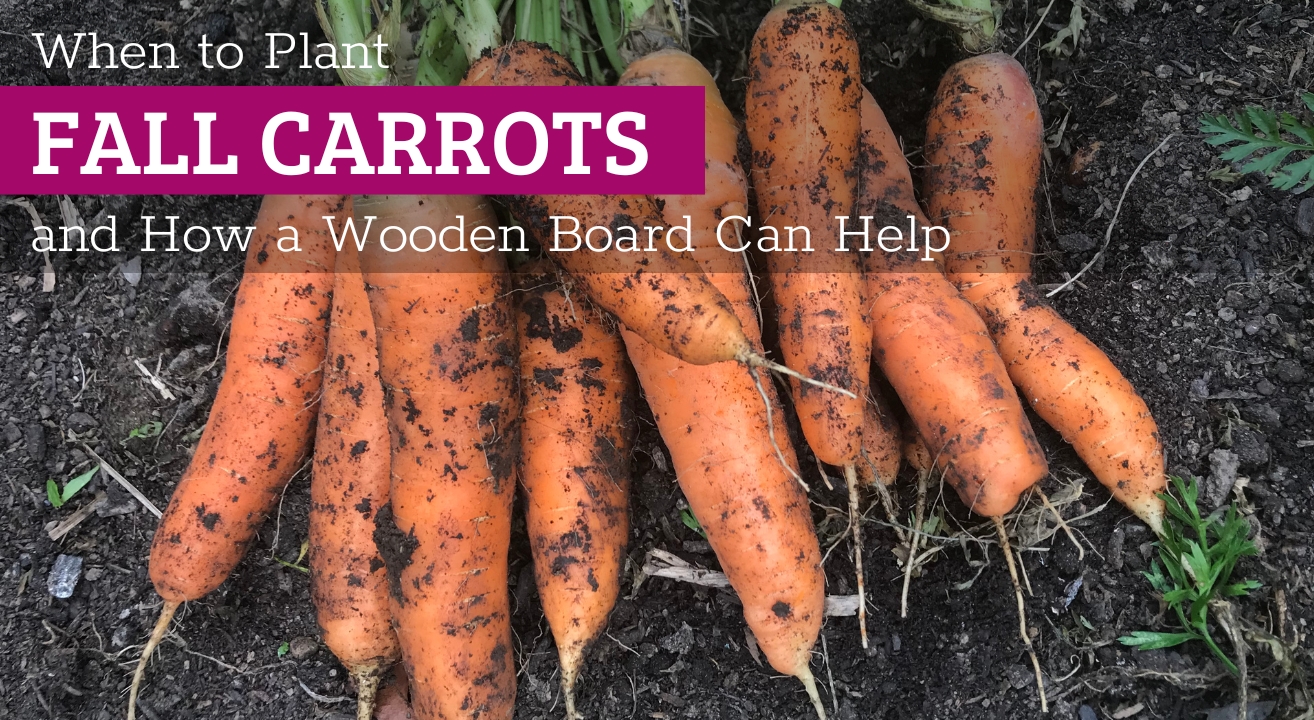
If you have only grown carrots in spring, you may be missing the sweetest harvest of the year. Fall-grown carrots mature as the weather cools, and that drop in temperature encourages the roots to become crisp, tender, and noticeably sweeter. The key is timing, but there is also one simple trick using a wooden board that has completely changed how I grow fall carrots. In this guide, you will learn when to plant fall carrots, how my simple tip improves germination during hot late-summer weather, and how to harvest and store your crop for winter meals.

Why plant carrots for fall harvest
Fall carrots are worth the planning because they often taste better than spring carrots. As nights cool, carrots respond by converting starches into sugars, which gives them their classic candy-like crunch. Light cold can also improve flavor, making fall roots ideal for roasting, soups, stews, fresh snacking, and winter storage. Another advantage is that many pests become less active later in the season, so seedlings may face fewer problems once they are established.
Planting for fall also helps extend the productivity of your garden. After early crops such as peas, lettuce, onions, garlic, or summer beans come out, carrots can fill that open space. Instead of leaving a bed bare, you can turn it into a second-season crop. Once you understand when to plant fall carrots in your region, you can use succession planting to make the garden productive from late summer well into the cold months.

When to plant fall carrots
The simplest way to decide when to plant fall carrots is to start with your average first fall frost date and count backward. Most carrot varieties need about 60 to 80 days to mature, depending on the variety. Because days get shorter and cooler as fall approaches, add an extra two weeks as a buffer. For example, if your first frost usually arrives in mid-October and your carrot variety takes 70 days, you should sow around late July or early August.
For many gardeners in temperate climates, the best window for when to plant fall carrots is late July through mid-August. In warmer climates, the window may extend into September or even October. In colder climates, you may need to sow earlier so the roots have time to develop before growth nearly stops. The phrase “fall carrots” can be misleading because the seeds are usually planted in summer, then harvested in fall.

Watch soil temperature and moisture
Carrots germinate best in cool, evenly moist soil, but fall crops are often sown when the garden is still hot. That is why soil temperature matters so much. Carrot seeds can germinate across a broad range, but they are much more reliable when the seedbed is not baking hot and not allowed to dry out. If the weather is hot, water before sowing and keep the row shaded or covered until the first seedlings appear.
If you are unsure when to plant fall carrots, check three things: your first frost date, the days to maturity on the seed packet, and your current weather pattern. A quick-maturing variety gives you more flexibility, while long storage types may need an earlier start. The best answer to when to plant fall carrots is not one calendar date; it is a local planting window based on your climate.
My secret technique for success
The biggest challenge with fall carrots is germination. Carrot seeds are tiny, slow, and shallowly planted, which means they can dry out quickly in late-summer heat. The secret technique is simple: after sowing and watering the row, cover the seeded row with a flat wooden board until the seeds germinate. This trick helps hold moisture in the soil, keeps the surface cooler, and prevents the delicate seedbed from crusting over. I always get far better summer germination when using this trick, and I love it because it keeps me from having to water the seeds and newly germinated seedlings every single day in the heat of summer.

How to use the wooden board method
Here is how to do it. Prepare a loose, stone-free bed, then draw a shallow furrow about one-quarter inch deep (I use the outside edge of my hand to create the furrow). Sow the seeds thinly, cover lightly with fine soil or compost, and water gently but thoroughly. Lay a clean wooden board directly over the row. The board should sit flat on the soil. Check under the board every day after about five days. As soon as you see the first pale green sprouts from about half of the seeds you planted, remove the board so the seedlings receive light.

When to remove the board
This technique is especially useful when deciding when to plant fall carrots in a period of hot, dry weather. You do not have to wait for perfect conditions if you can protect the seedbed. The board is not a permanent cover; it is a short-term germination aid. Once the carrots sprout, switch to gentle watering, light mulch if needed, and regular observation. If you forget to remove the board, seedlings can stretch, weaken, or fail, so daily checking is essential.

The best varieties for fall carrots
Choosing the right variety is just as important as knowing when to plant fall carrots. Classic orange carrots are dependable, but different types perform better in different garden conditions. Nantes varieties are sweet, cylindrical, and excellent for fresh eating; Bolero is a reliable choice for storage; Danvers handles heavier ground well; and Chantenay is a short, broad-rooted type that can produce good carrots even where heavy soil, clay soils, or shallow beds make longer varieties difficult. For the best results, match the variety to your garden’s soil depth, texture, and season length.

Prepare the bed before you sow
Before you sow, improve well-drained soil with compost and organic matter, remove debris, and keep weeds from competing for nutrients. Avoid fresh manure and use organic fertilizer lightly, especially one that supports root growth with phosphorus rather than pushing excessive green tops. Carrots need full sun, steady moisture, and a fine seedbed, but after germination, they do not need pampering beyond adequate waterings.
Plan for cold protection
I typically plant my fall carrots in midsummer or late summer, depending on the days to maturity of the variety. My average first frost date here in Pennsylvania is October 15th. Low tunnels can help protect mature carrots as cold weather deepens, and in milder areas you may even overwinter them in the ground. While cultivated carrots are related to wild carrot, garden varieties have been selected for better taste, color, diameter, and dependable harvest quality through the winter months.

Thinning your fall carrots
Thinning is one of the most important steps for straight, full-sized roots. Carrot seeds are small, and most gardeners sow them a little too thickly to ensure adequate germination. Once seedlings are about two inches tall, thin them to roughly one to two inches apart. The goal is to give each root enough space to grow without twisting around its neighbors.
Instead of yanking crowded seedlings, snip extras off at soil level with small scissors (there is some evidence that pulling carrot seedlings to thin them attracts carrot maggot flies). Water after thinning. If you are growing carrots for baby harvests, you can leave them slightly closer together, but storage carrots need room. Timing your thinning matters almost as much as knowing when to plant fall carrots, because crowded seedlings will not develop into the smooth, usable roots you want.
When to harvest fall carrots
Fall carrots can be harvested as soon as they reach usable size, but their best flavor usually comes after cool nights. Brush soil away from the shoulder of a few roots to check diameter. Baby carrots may be ready early, while full-size storage carrots should be allowed to mature according to the seed packet. If you planned well when deciding when to plant fall carrots, the roots should be sizing up just as autumn temperatures become ideal.

Protect carrots from cold weather
Light frosts can improve sweetness, but hard freezes may damage roots if the soil freezes solid. In mild climates, you can leave carrots in the ground and harvest as needed. In colder regions, cover the bed with a thick layer of straw, leaves, or mulch before deep cold arrives. Heavy row covers help, too. These protective soil covers can keep the soil workable longer and extend the fall harvest. However, if rodents or other pests are a problem or the ground freezes deeply, harvest and store the crop before winter locks it in.
How to store fall carrots for winter use
For winter storage, harvest carrots on a dry day when the soil is not muddy. Loosen the bed with a garden fork before pulling to avoid snapping roots. Do not wash storage carrots unless you plan to use them soon; excess moisture can encourage decay. Instead, brush off loose soil, trim the tops to about one-half inch above the crown, and sort out any cracked, forked, or damaged roots for immediate use.
The best storage conditions are cold, humid, and dark. Pack healthy carrots in slightly damp sand, sawdust, or peat moss in a crate or tote, making sure the roots do not touch each other too much. Store them in a root cellar, an extra fridge, an unheated basement, or another location that stays just above freezing. Check occasionally and remove any roots that soften or show signs of rot. With good timing and careful storage, a crop planted after you researched when to plant fall carrots can feed you for months.

Carrots for the autumn win
Learning when to plant fall carrots is the foundation of a reliable autumn harvest. Count backward from your first frost date (here’s a map to help you determine what that date is), add a little extra time for slower fall growth, and choose varieties that match your season. Then give the seeds their best chance by keeping the seedbed evenly moist. The wooden board technique may feel almost too simple, but it solves the biggest problem fall carrot growers face: hot, dry soil that prevents steady germination.
Once your seedlings are up, thin them carefully, keep them watered, and let cool weather do the work of improving their flavor. Whether you harvest them fresh after chilly nights or pack them away for winter meals, fall carrots are one of the most rewarding crops you can grow.
Want to grow more root crops? Then you’ll be interested in these articles:

Leave a Reply