
This post may contain affiliate links. If you make a purchase through links on our site, we may earn a commission.
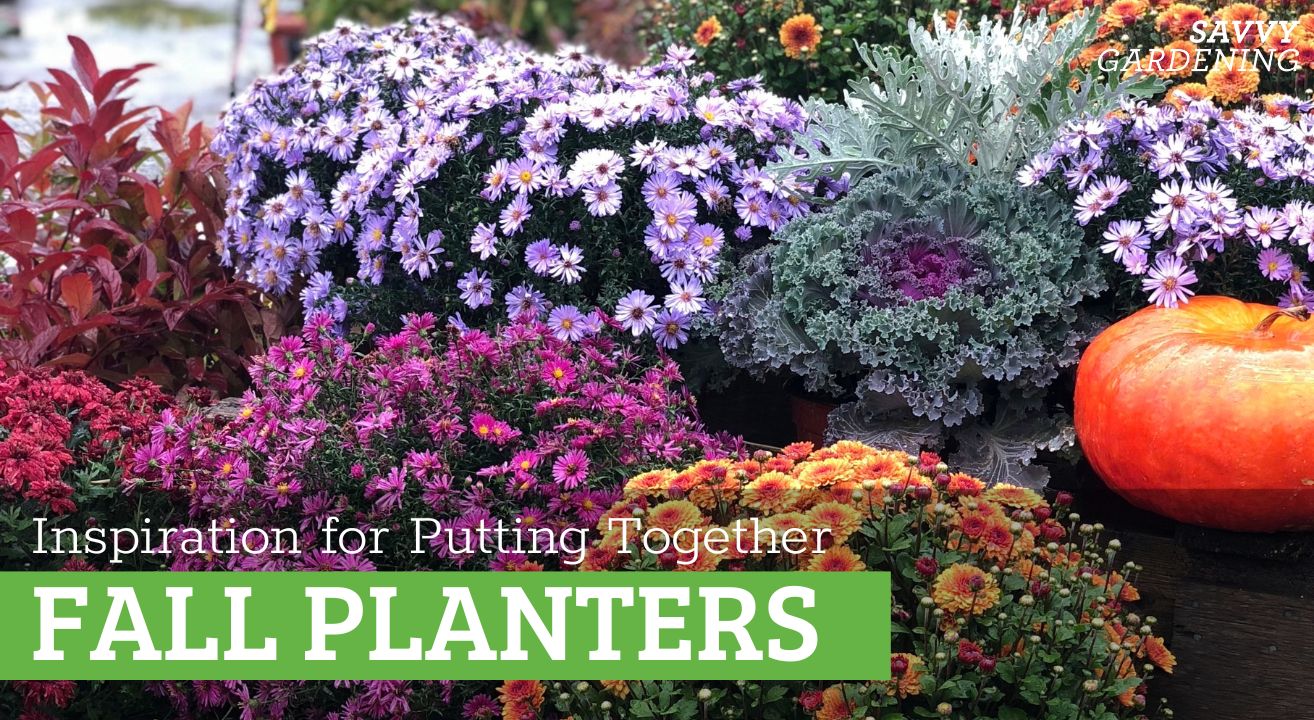
By the end of the summer, my ornamental containers are often starting to look a little worse for wear. I’ll usually start to think about fall planter ideas around the end of August or early September as potted mums and other autumn plants start to appear in stores. Some years I’m literally plunking a potted mum into my urn and calling it a day. Others I like to get creative and include a medley of annuals, perennials, or both into my outdoor display.
I’ll use a soil knife to separate my summer arrangements. They can become pretty root-bound in their pot, even if it’s big. I’ll either empty it out completely or leave in the odd plant, like ornamental peppers, herbs, or kale. It’s fun to mix things up! Before I put together my fall container design, I’ll add some fresh potting soil. 
Fall planter ideas
Many summer annuals start to lose their luster and fade as the fall season approaches. But there are a few plants that don’t mind the cold. Besides chrysanthemums, which are a fall staple, you’ll also see members of the brassica family, like ornamental cabbages and kale, and perennials with attractive foliage, which can add some nice greenery. Hot peppers in reds, yellows, and purples also seem to be popular choices.

While I am partial to that traditional autumn palette of reds, oranges, yellows, and browns, I have strayed on occasion with pink mums, and purple heucheras. I don’t always adhere to the thriller, spiller, and filler method that I use for my summer and winter container gardens, as I feel like fall plants and containers have a different aesthetic.
Leaving a few summer plants in the mix
I don’t always toss everything into the compost, especially if it still looks good. I plant lemongrass in my summer urn and it’s usually still looking really lush into the fall. If there are cool weather herbs, like parsley, mint, or thyme, living in a summer container, I’ll leave those in, as well.

Include perennials in fall pots
The breadth of plants available for fall containers isn’t big, so having more options by considering perennials is a bonus. Ornamental grasses and heucheras are great choices. All of my heuchera collection is from purchasing them for fall pots. I’ve also dug out liatris plants that have spread in the garden for some red foliage and bottle brush texture, as well as asters that popped up on my property out of nowhere.

Think outside traditional autumn colors
While I tend to lean towards traditional fall hues, sometimes it’s fun to mix it up. One year I went with what I refer to as moody hues—dark purples and a pepper plant that was almost black (shown above). Other years I’ve opted for a cheerful pink!

Accessorizing your pots
Pumpkins and gourds feature prominently in front porch décor in the fall. Personally I’m wary of putting them out because in past years the squirrels have made a feast of them. There’s nothing like opening the front door in the morning to a stoop littered with pumpkin “crumbs.” But, if that’s not a concern, they do add structural interest and color to a fall container.

Watering fall pots
You may not have to water an autumn container as often as a summer one, but do keep an eye on the plants. If the leaves start to curl on your chrysanthemums, for example, that’s a good indication that they’re thirsty. I usually water every two or three days if it hasn’t rained. If you get a good downpour, you should be good for a few days.

Don’t waste perennials planted in fall pots
If your fall arrangement includes perennials, don’t toss them into the compost when you’re getting ready to make your winter arrangement. Plant them in the garden. I’ve been successful having perennials like heucheras (coral bells) and hardy mums come back in the spring.
Since you’re planting in fall and they may not have time to establish a good root system before the winter, be sure to add some insulation around the plant for a little winter protection. Leaves work well or a heavy layer of straw.

It’s important to note that chrysanthemums that have been raised in a greenhouse may be more sensitive to cold temperatures, whereas hardy outdoor mums should withstand a sudden cold snap.

Leave a Reply