
This post may contain affiliate links. If you make a purchase through links on our site, we may earn a commission.
Decreasing amounts of natural habitat, greater exposure to pesticides, and a dearth of nectar and pollen sources have put a dent in our pollinator population numbers. By establishing a thoughtful mix of annual and perennial plants for bees in our gardens, we can make sure that honeybees, moths, bumblebees, and other valuable pollinators have access to the nectar and pollen they need nearly every month of the year. I love seeing the bees at work in my gardens, from the first ones I spot on my winter aconite in late February or early March, to the last ones foraging for pollen in late fall.
The benefit to gardeners extends beyond simply helping beneficial insects’ survival. It helps ours, too. Having a myriad of plants for bees in bloom nearly year-round means you’ll attract more honeybees and native bees nearby to pollinate your fruit and vegetable crops. On a much larger scale, farmers depend on bees for their crops, as well.

The importance of pollinators and pollinator-friendly gardens
When we grow plants for bees, we support more than just valuable insects. We also help to bolster local food webs in the environment. These sustain all kinds of birds, as well as bats, turtles, frogs, and much more. (Certain pollinator-friendly plants are also hummingbird magnets!)
What’s more, some of the same plants for bees can attract beneficial insects, such as ladybugs, lacewings, and parasitic wasps. Having these critters nearby naturally helps to knock down the numbers of insect pests that might otherwise overwhelm any fruits and veggies you’re actively growing for yourself. (Check out Jessica’s book Attracting Beneficial Bugs to Your Garden for a deeper dive into this topic.)

Ensuring year-round food and habitat
From very late winter and early spring to the hottest days of summer and into the fall, any honeybees living in nearby colonies will be on the lookout for nectar and pollen. Also, during their long migration and mating stops throughout North America, monarch butterflies also seek fuel and specialized egg-laying habitats. Add in the countless other native bees, flower flies, butterflies, and moths in search of food from spring through late summer and early fall, and you can begin to see why it’s important to be able to provide enough food plants for bees nearly year-round.

Spring plants for bees
Spring-flowering bulbs like snowdrops, crocuses, bluebells, and grape hyacinths can be valuable sources of nectar and pollen before much else shows itself in the early spring. Some of the other best plants for pollinators during this time of year are actually small trees or shrubs. Covered with early, nectar-rich blooms, the shrub-like serviceberry (Amelanchier laevis), ninebark (Physocarpus), flowering dogwood (Cornus florida), and Eastern redbud (Cercis canadensis) make great options throughout the spring. These trees and shrubs are all native to North America.

Summer plants for bees
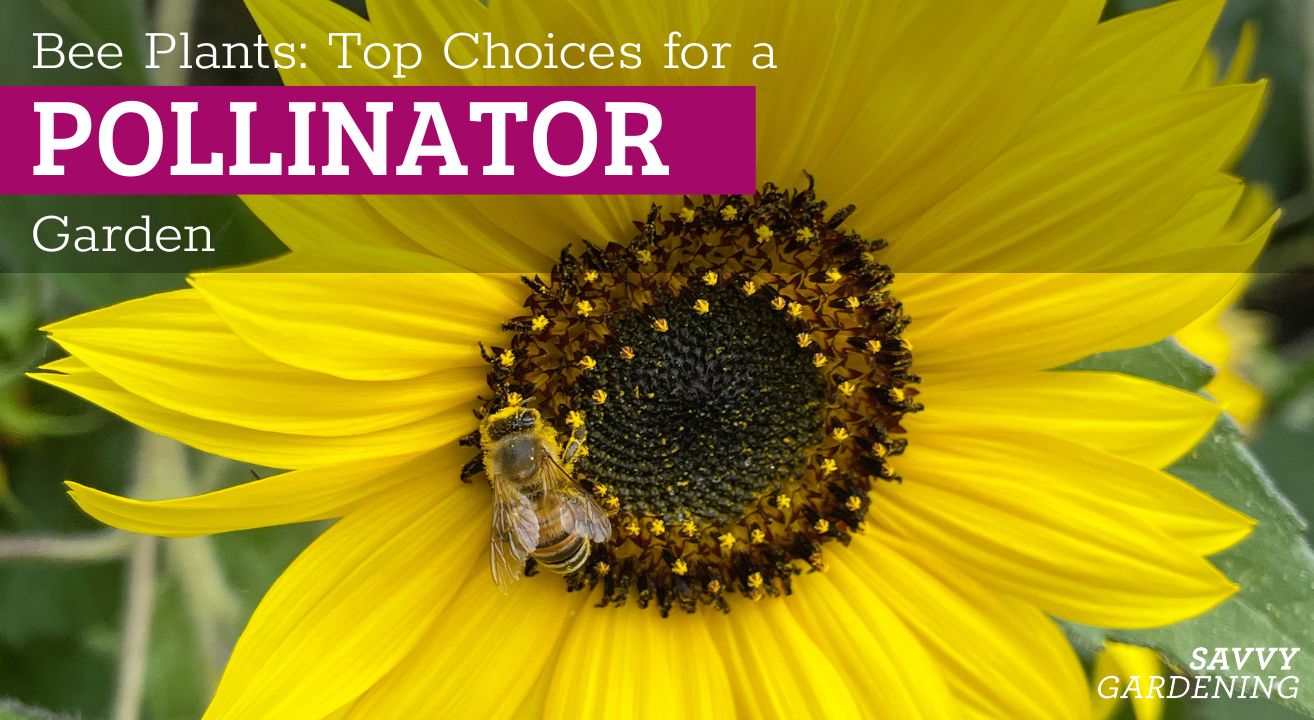
Summertime brings a bonanza of excellent plants for bees, including native perennials like bee balm (Monarda), yarrow (Achillea millefolium), spotted bee balm (Monarda punctata), and purple coneflower (Echinacea purpurea), and annuals such as sunflowers and zinnias. (Pro-tip: when considering annuals, choose open-pollinated, old-fashioned varieties when possible. These heirloom types sometimes can supply nectar and pollen better than hybrids do.)

Pollinators also love fennel, borage, lavender, and many other summer garden herbs. They’re particularly drawn to blooms made up of multiple clusters of tight flowers.
Incidentally, while all of these summer picks also provide monarch butterflies with much-needed nectar, monarchs specifically seek out milkweed to lay their eggs. If you have a good stand of this, you’ll be more likely to see monarchs—and their milkweed-munching, striped caterpillars—in the garden.

Fall plants for bees
Once many of the summer sources of nectar and pollen have dried up, there are lots of fall blooms to nourish the bees. Native plants like black-eyed Susans and purple coneflowers (Echinacea purpurea) do flower through much of summer, but they’ll also hang on well into fall. That’s about the time when asters and sturdy succulents, like Autumn Joy stonecrop really get going as well. Goldenrod is another bee magnet. The buzzing coming from all my goldenrod plants in the fall is amazing! Blanket flower (Gaillardia) and anise hyssop (Agastache foeniculum) are two other great choices for the fall garden.

Winter plants for bee habitat
When it comes to winter, you can continue to help pollinators in a couple of ways. Obviously, nectar and pollen are much harder to come by in the dead of winter, but you do have some options. Blooming in shades of buttercup yellow, winter aconite bulbs (Eranthis hyemalis) can flower as early as January in some areas. And, covered with unusual-looking yellow flowers, the common witch hazel (Hamamelis virginiana) shrub can bloom from very late fall through part of winter.

It’s also worth noting that recommendations about end-of-season garden clean-up have changed. Rather than removing the spent stalks of native perennials like yarrow and coneflowers in the fall, it’s actually better to leave them up all winter and into early spring. That’s because, for many solitary pollinators, these dried stems serve as essential winter habitat.
Quick tips for creating a year-round pollinator garden
- Avoid pesticides: When purchasing plants or seeds for your pollinator garden, choose only organic products which have not come into contact with pesticides. (Some companies pre-treat seed with systemic pesticides, which remain in all portions of the resulting plants.)
- Let there be dirt! Some native solitary bees nest in the ground. By allowing a few small patches of soil to remain bare and unplanted, you can provide these ground-nesters with extra housing options.
- Make a bee bath: Bees and other insect pollinators need a drink now and then. When you make them their own diminutive watering hole, they’re less likely to bother area bird baths and they’re much less likely to drown.

Giving bees a boost
Natural habitat loss, our reliance on harmful pesticides, and increased threats to pollinators from natural predators and disease each have played a role in the decline of bee populations. Fortunately, by establishing pollinator-friendly plants in our gardens, we can all work together to help turn those negative trends around. Plant enough of the right early- and late-flowering bulbs, small trees or shrubs, herbs, and ornamentals, and you’re nearly guaranteed to attract pollinators as well as many other beneficial insects.

Leave a Reply